


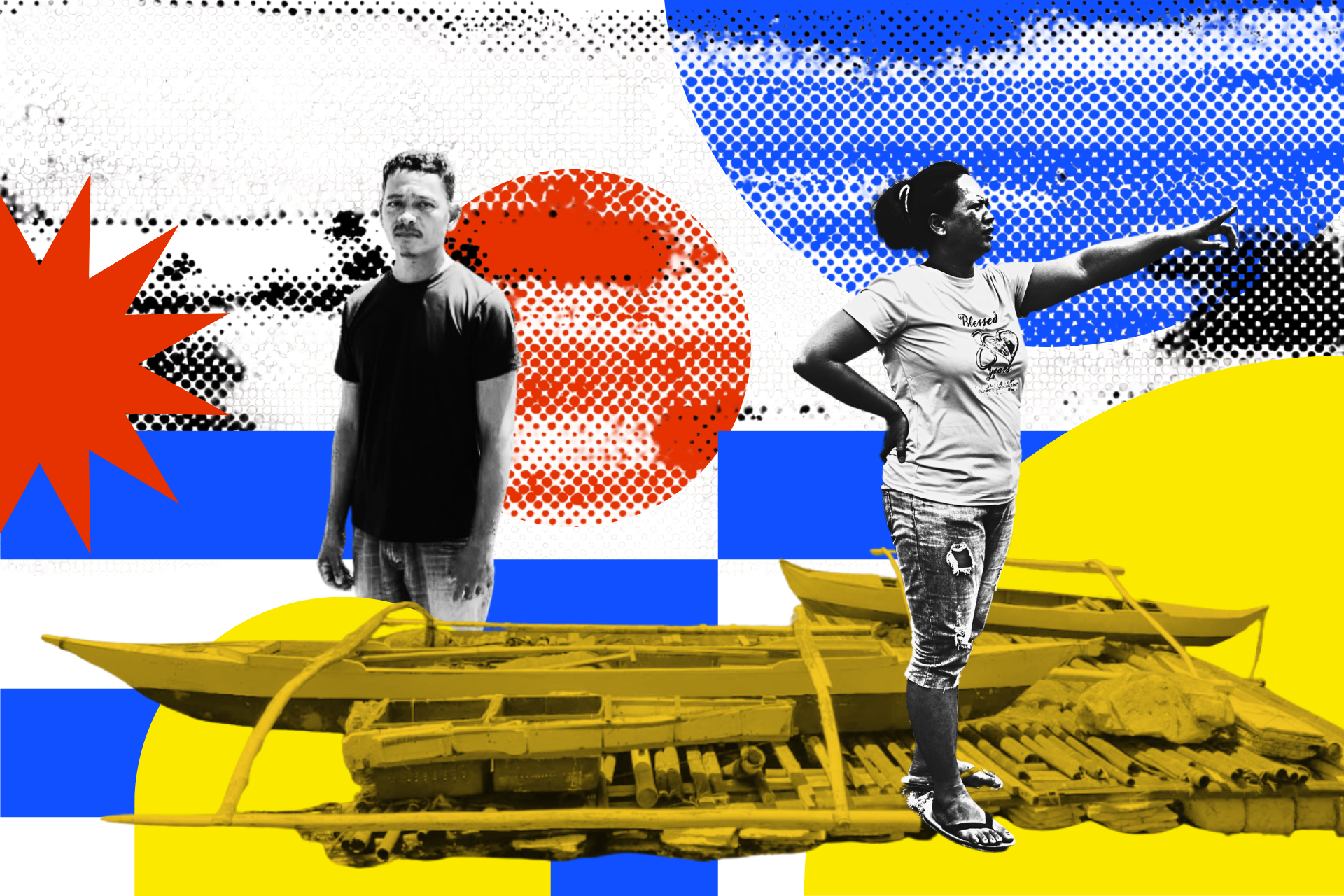
Amid the rising price of fuel and Big Oil’s super profits, Filipinos are more immersed than ever in their case against Shell.
“They are getting richer while we are the ones suffering.”
That’s how Arnold Obguia, a Filipino fisherman, describes today’s energy crisis.
In the first month of the US-Iran conflict, oil giants pulled in an extra $30 million per hour as fuel costs skyrocketed. Shell’s CEO, Wael Sawan, received a total of £13.8 million in 2025-26 as millions across the world struggled with rising energy bills.
Nowhere is this struggle more visible than in coastal communities in the Philippines, where a national State of Energy Emergency has been declared because of energy supply shortages. Not only are these communities suffering from the energy crisis, but also from climate change driven by the same companies profiting from it.
For fishing communities, fuel costs determine whether they can go out to sea and earn enough to feed their families. As prices rise and supplies dwindle, the margin for survival shrinks.
How is the energy crisis affecting people in the Philippines?
.jpg)
In Batasan, Trixy Elle and her family rely on fishing. She and her spouse head out to sea each day, raising two children on what they catch. She describes life as “a big challenge” now because of the energy crisis.
“If the catch is small, it’s just enough for rice,” she shares. “Even if we earn 500 pesos (£7) a day, it’s still not enough.” Water has become more expensive due to drought. The heat is intensifying. And as fuel prices rise, everything else follows. “It feels like when fuel prices went up, everything else did too,” she says.
In Bilangbilangan, Arnold is feeling the same. “Those of us who are struggling to make ends meet are affected by the rising prices of oil and basic goods,” he says. For those already struggling with climate change, the ripple effects of global conflict and oil price hikes make the situation even worse.
Batasan and Bilangbilangan are island communities in Bohol Province, Central Visayas, Philippines, infamous for their vulnerability to sea-level rise.
Oil companies profit, but people suffer
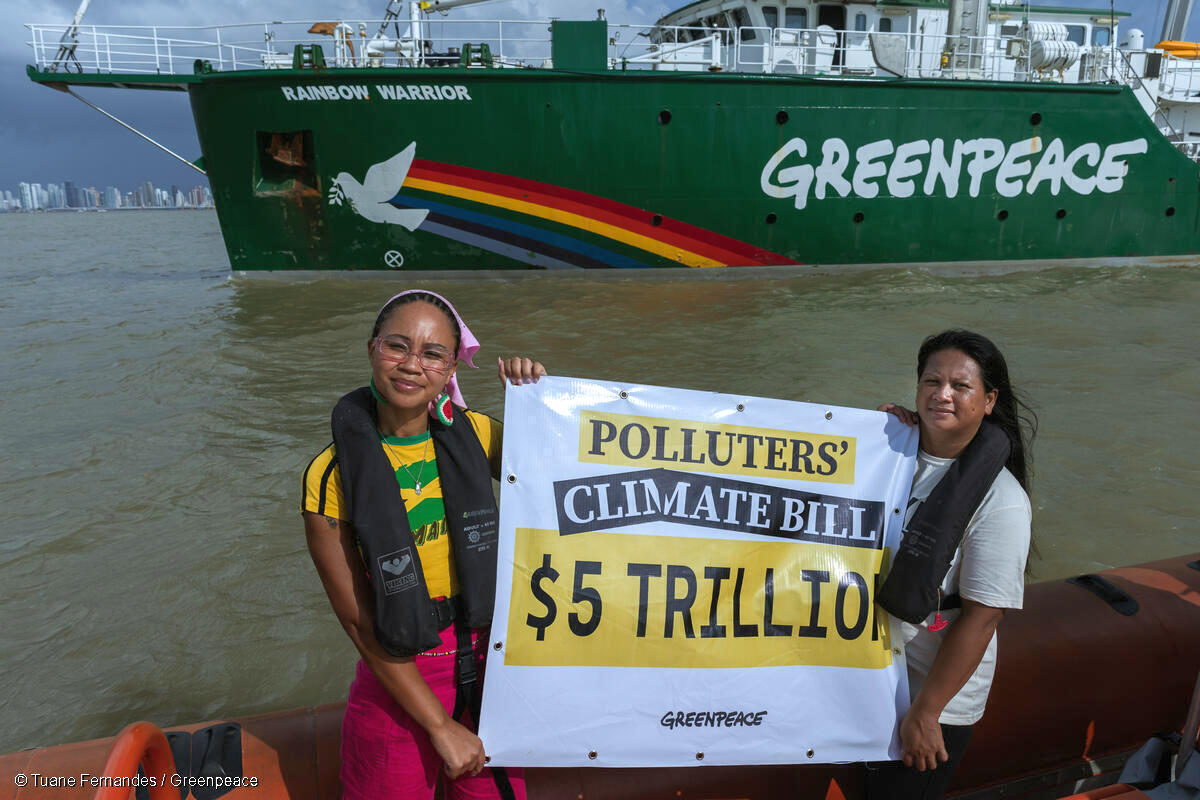
When asked about oil companies profiting from the crisis, Trixy says, “It is disappointing and angering. They continue to make huge profits while ordinary people are struggling.”
Arnold’s words are quieter, but no less powerful: “It’s sad because they are getting richer while we are the ones suffering.”
Neither Trixy nor Arnold speak only of their own situation as they address people in countries like the UK, where rising energy bills are also being felt.
“This is not just an energy crisis. This is about humanity,” Trixy says. “Let us stand together and call for accountability. We have the power to act.”
A different kind of energy
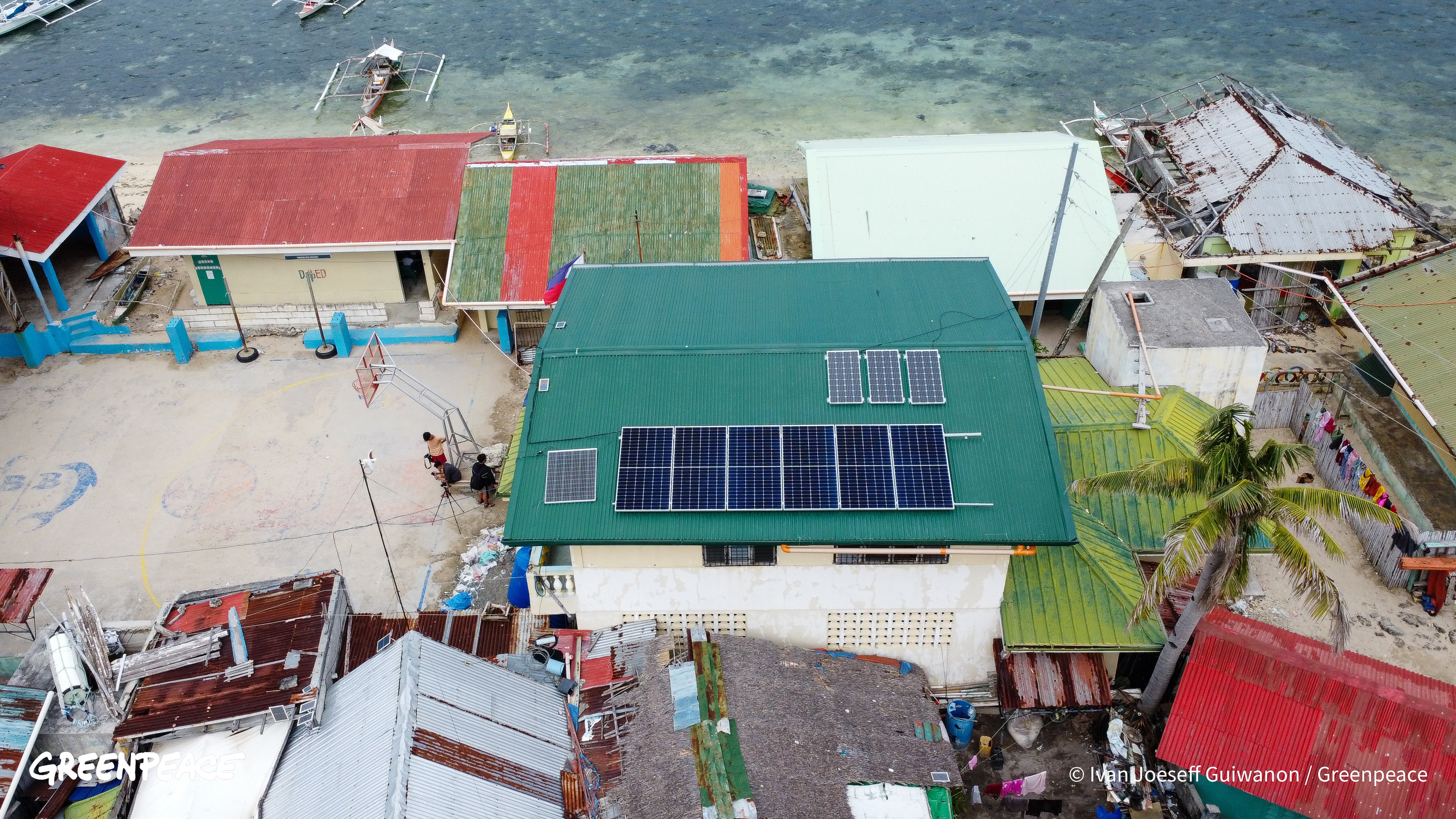
For Arnold and other fisherfolk, access to solar power has provided a small but meaningful shift. Bilangbilangan and Batasan are among the communities that benefited from a community solar project led by local government units and Greenpeace Philippines following the devastation of Super Typhoon Odette in 2021.
“Solar power has been a big help to us fisherfolk, as we can charge our batteries for use at sea and for everyday needs as an alternative power source,” Arnold says.
For them, while it is not a complete solution, it offers something the current system does not: a degree of control. A buffer against volatility and a glimpse of what it means for communities, not corporations, to benefit from energy. While the fossil fuel industry keeps trying to lock us into a dangerous, depleting resource, this is a glimpse of an alternative that is not only cheaper and more stable, but is also really possible.
Fuelling the fight for justice
For Trixy and Arnold, this crisis is not just something to endure. It has sharpened their determination to fight.
Both are among the claimants in the Odette Case, a growing effort by Odette survivors to hold Shell accountable for its role in driving the climate impacts that continue to devastate their communities.
Their stories - of rising fuel prices, shrinking incomes, and deepening hardship - are not separate from this fight. They are part of the same system in which companies that contribute most to climate change continue to expand fossil fuel production and profit from global instability. And where communities like theirs are left to face both the immediate shocks of price hikes and the long-term impacts of stronger storms and environmental degradation.
Trixy hopes the case sends a clear message: “That this becomes a reminder to polluting companies to be more mindful of the impacts of their business… and that people can fight back.”
For Arnold, the aspiration is just as clear: “That we achieve what we are fighting for in terms of climate justice.”
This is what fuels their fight - not just anger, but a demand for fairness. Not just survival, but accountability. Because for communities on the frontlines, justice is not abstract. It is about whether livelihoods can be rebuilt. Whether future storms will bring the same devastation. Whether those who profited will finally be made to answer for it.